Commercial Kitchen Exhaust and Hood Cleaning to NFPA 96
Kitchen exhaust cleaning removes grease from the whole path that carries cooking vapour out of the building: the hood, the filters, the horizontal and vertical ducts and the rooftop exhaust fan. Wiping the hood and swapping the filters is only the visible end of that path, and a grease fire can run through the ducts where nobody looks.
Describe the job and add your city. Free to request, no obligation.
NFPA 96 is the fire-safety standard most fire inspectors and insurers use for commercial cooking exhaust, and it sets cleaning frequency by how much and what you cook. Solid-fuel cooking is monthly, high-volume kitchens with charbroilers, woks or 24-hour operation are quarterly, moderate-volume restaurants are semi-annual, and low-volume kitchens are annual. Your fire authority or insurer can require more.
A quote request tells us the kitchen type, the number of hoods and how often the system has been cleaned, and a local specialist quotes the full path in writing. Most of the cost is set by duct length and by how much grease has built up, so the first cleaning of a neglected system costs more than a regular one.
What the work includes
- Degreasing of the hood canopy and the plenum behind the filters
- Cleaning or exchange of baffle filters
- Horizontal and vertical ductwork cleaned through access panels
- Rooftop exhaust fan cleaned, including the housing, blades and grease containment
- Protection of cooking equipment and the kitchen floor during the work
- Before and after photos of accessible points
- A service report listing what was cleaned and any areas that could not be reached
- Notes on damaged or missing access panels and fan hinge kits
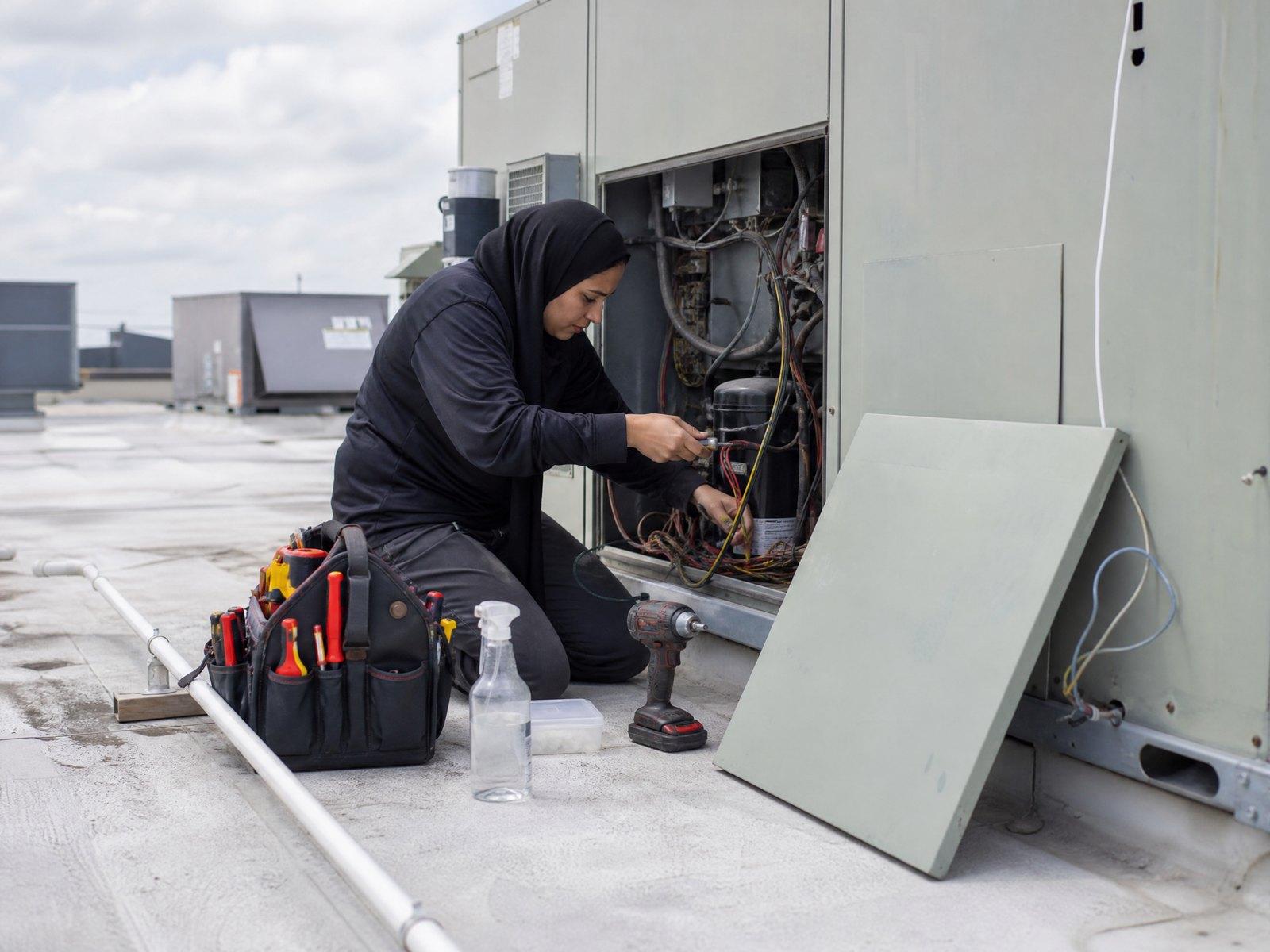
Signs your exhaust system is overdue
Grease dripping from the hood edge or from the rooftop fan base
Filters that load up with grease faster than they used to
A kitchen that smells of old fry oil or has weak draw at the hood
A fire inspector or insurer who asks for a cleaning record or a service sticker
Sticky, dark residue visible inside an access panel
No one can say when the ducts and the fan were last cleaned
How the work goes, step by step
Tell us about the kitchen
Send the kitchen type, number of hoods, fuel, how often it is cleaned and whether you have a fire inspection due.
Inspect the path
The specialist checks the hood, access panels, duct route and rooftop fan to scope the visit.
Written quote
You receive a quote that names the hoods and duct runs included and how extra access panels or repairs are priced.
Clean after hours if needed
Equipment is covered, the system is degreased from the hood to the fan, and the kitchen is left ready to open.
Report and schedule
Photos and a service report come at the end, with a recommended interval for the next cleaning.
What changes the price
- Number of hoods
- Each hood adds a canopy, filters and a duct branch to clean.
- Duct length and route
- Long horizontal runs and tall vertical risers take more time, and some need more access panels.
- Grease buildup
- A first cleaning after years of neglect takes far longer than a quarterly maintenance visit.
- Cooking type and volume
- Charbroiling and deep-frying load the system faster and call for shorter intervals.
- Access panels and roof access
- Missing panels must be installed, and a roof fan needs safe access.
- After-hours work
- Night work to avoid losing service time costs more than a daytime visit.
What a good quote spells out
- The whole exhaust path named in the scope: hood, filters, ducts and fan
- Before and after photos of the ducts and the fan, not just the hood
- A recommended cleaning interval that matches your cooking type and NFPA 96
- How missing access panels and fan problems are reported and priced
- Whether the visit is during the day or after the kitchen closes, and any service sticker or report left on site
Commercial Kitchen Exhaust & Hood Cleaning: questions people ask
How often does a restaurant exhaust system need cleaning?
NFPA 96 sets the schedule by cooking type and volume: monthly for solid fuel, quarterly for high-volume cooking, semi-annual for moderate volume and annual for low volume. Your fire authority or insurer may ask for more.
Is hood cleaning the same as duct cleaning?
No. The hood and filters are the visible part, while the ducts and rooftop fan hold the grease that causes fires. A proper job cleans the whole path through access panels.
Does the kitchen need to close during cleaning?
Cleaning is often done after hours so the kitchen does not lose service time. Mention your hours when you request the quote.
What does a restaurant need to show a fire inspector?
Inspectors usually look for a recent service report, a sticker showing the cleaning date and a clean system. Ask the quote to include the report.
Does hood cleaning include the fire suppression system?
Usually not. The suppression system is inspected and serviced by a separate qualified provider, so ask who handles each task.
Other Vulcair services
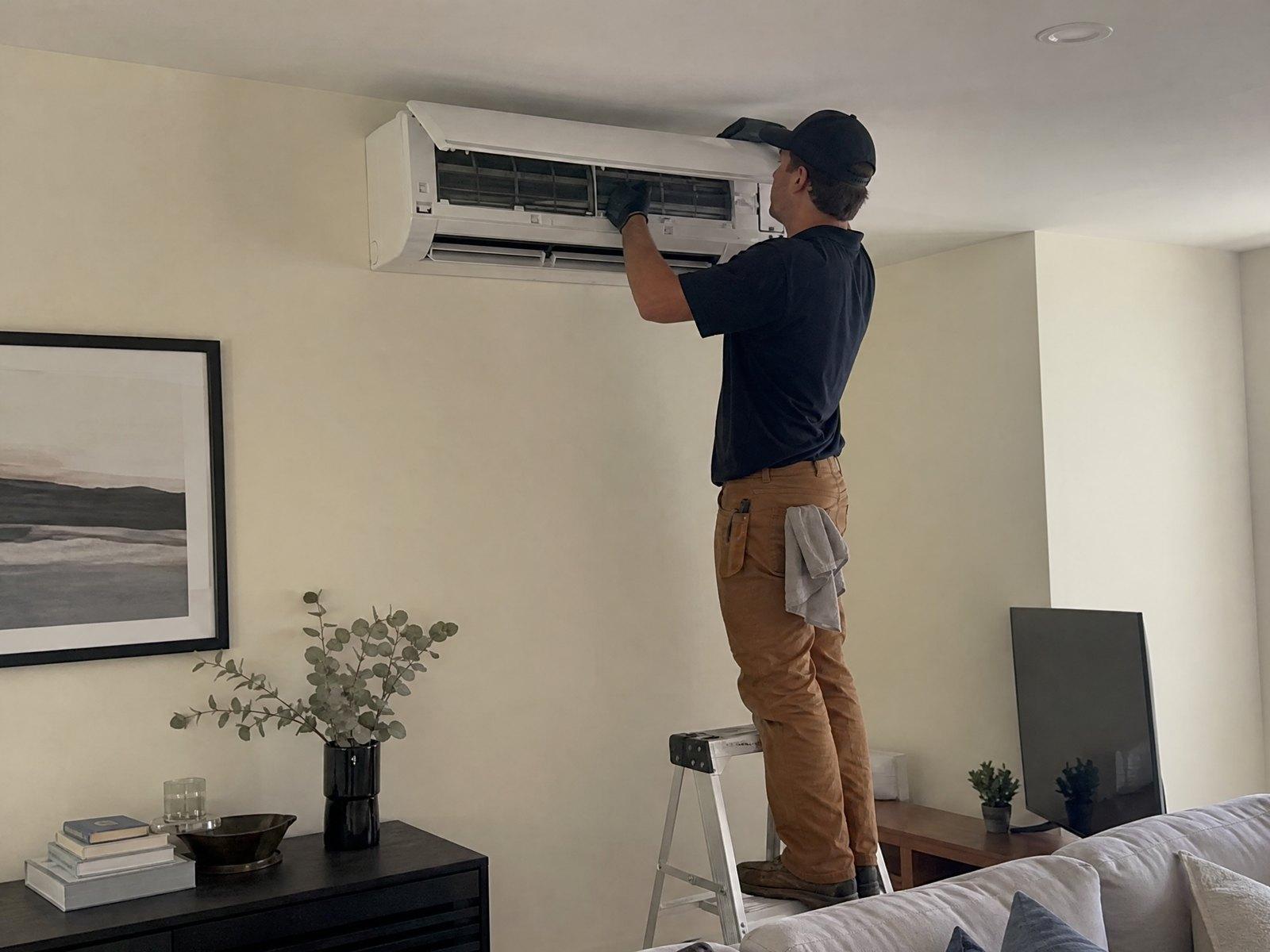
Planning a Replacement? Get a Proper Quote.
Tell us about the building, the current system and what is going wrong. We review every request and follow up in writing with next steps and a free quote.
Request a free quote →