Heat Pump Installation: Ducted, Ductless and Dual-Fuel
A heat pump moves heat instead of making it. In summer it works like an air conditioner, and in winter it reverses and pulls heat from outdoor air into the house. Cold-climate models keep producing useful heat at temperatures that stopped older units, which has made heat pumps a real option in many northern regions.
Describe the job and add your city. Free to request, no obligation.
Whether one suits your building depends on your winter design temperature, the price of electricity and gas, the capacity of your electrical panel and what ducts you have. Many colder homes pair a heat pump with a gas furnace as backup, a dual-fuel setup that uses the pump most of the time and the furnace on the coldest days.
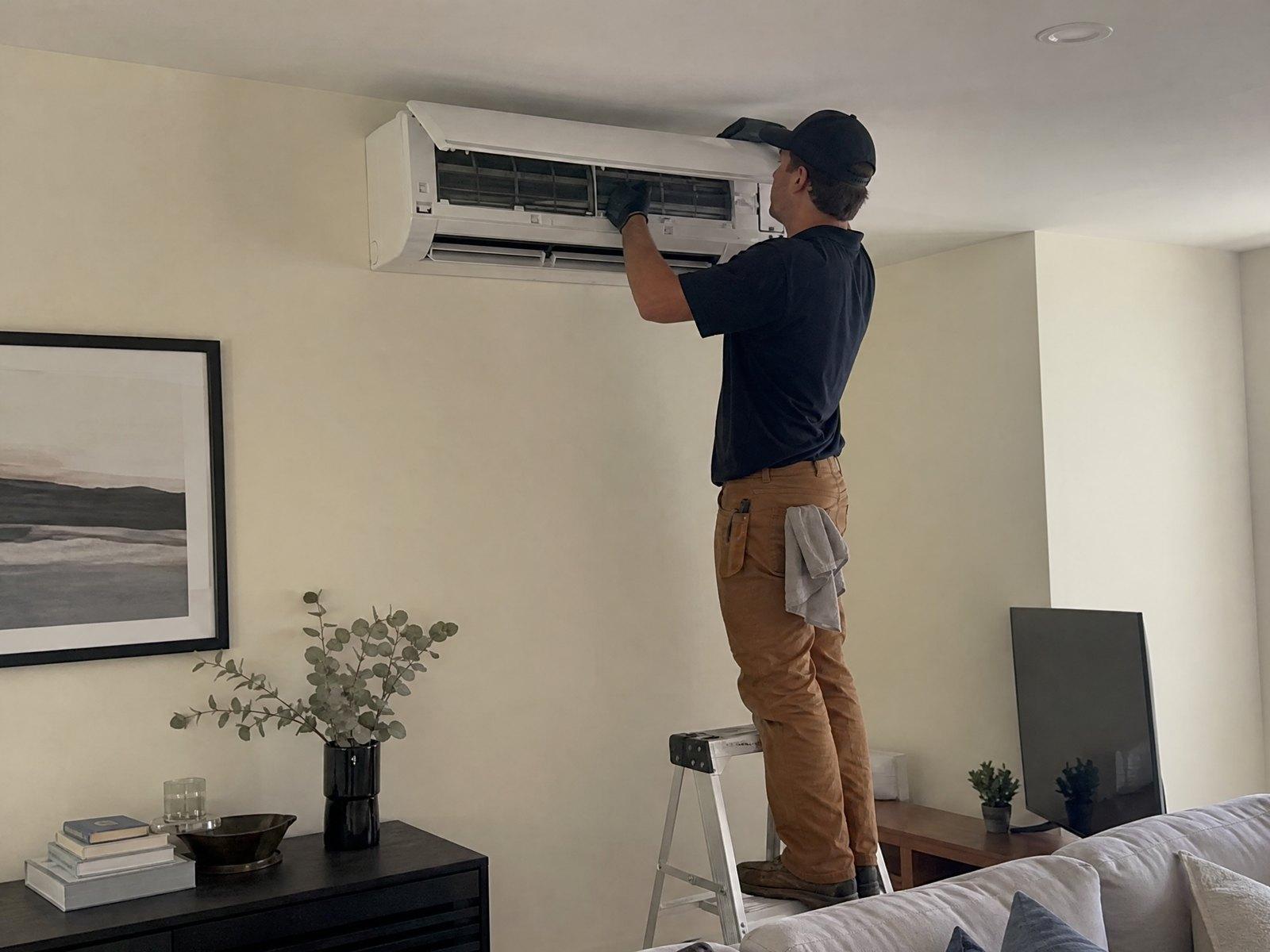
Ducted systems use existing ducts, ductless mini-splits suit homes without them or additions, and multi-zone systems serve several rooms. Each has its own outdoor unit placement and electrical needs.
What the work includes
- A review of winter design temperature and cold-climate performance for your area
- Ducted, ductless or dual-fuel options with capacities listed
- Electrical capacity check and panel or circuit work if needed
- Outdoor unit placement with defrost drainage and snow clearance
- Refrigerant lines and condensate handling
- Controls set up for the heat pump and the backup heat
- Removal of the old equipment where it is replaced
- A list of incentive programs that may apply
When a heat pump is worth a look
An air conditioner near the end of its life and an old furnace to match
Electric baseboard or oil heat with high running costs
A home addition, sunroom or converted garage with no ducts
A wish to cool and heat with one system
Rooms that need separate temperature control
A local rebate that makes the upgrade more attractive
How the work goes, step by step
Review the building and climate
The installer looks at the home, its heat loss, local winter lows and current heating fuel.
Check the electrical capacity
The panel and available circuits are checked to see whether the heat pump fits.
Pick the layout
You compare ducted, ductless and dual-fuel designs and the backup each one needs.
Install outdoors and indoors
The outdoor unit is mounted and the indoor units, ducts and line sets are connected.
Set up controls and test
Heating, cooling and defrost modes are tested, and the controls are set to use the backup only when needed.
What changes the price
- Standard or cold-climate model
- Cold-climate units are built for low outdoor temperatures and cost more than standard models.
- Ducted or ductless
- Mini-splits avoid duct work but add an indoor unit per zone, while ducted systems depend on the condition of existing ducts.
- Number of zones
- Each extra indoor head adds equipment and line set work.
- Electrical panel upgrade
- An older panel may not carry the added load, and an upgrade can be a significant line.
- Backup heat
- Keeping a gas furnace, adding electric heat strips or sizing the pump to cover the coldest days changes the design and cost.
- Incentives
- Rebates can offset the net cost, but they differ by region and change often.
What a good quote spells out
- The rated output of the unit at low outdoor temperatures, not only at mild ones
- The design: ducted, ductless, multi-zone or dual-fuel
- What electrical work is included
- Where the outdoor unit goes and how snow and defrost water are handled
- Which incentive programs the quote assumes
Heat Pump Installation: questions people ask
Do heat pumps work in very cold weather?
Cold-climate models do produce heat at low temperatures, with output and efficiency dropping as it gets colder. In the coldest areas, a backup heat source covers the gap.
Is a heat pump cheaper to run than a furnace?
It depends on your electricity and gas rates. In many regions a heat pump uses less energy for the same heat, but the saving varies with local prices and weather.
Can a heat pump replace both furnace and AC?
Often, yes. A ducted heat pump can heat and cool through the same ducts. Some owners keep the furnace as backup for the deepest cold.
Do heat pumps qualify for rebates?
Many regions offer incentives, but the rules and amounts change. Ask the program, not just the installer, about eligibility.
Other Vulcair services
Planning a Replacement? Get a Proper Quote.
Tell us about the building, the current system and what is going wrong. We review every request and follow up in writing with next steps and a free quote.
Request a free quote →