Central Air Conditioning Installation, Matched to Your Home
Central air conditioning cools the whole house through the same ducts that carry your heat. A system has an outdoor condenser, an indoor coil on top of the furnace or in an air handler, and refrigerant lines between them, and these parts need to be sized to each other.
Describe the job and add your city. Free to request, no obligation.
Many comfort complaints that get blamed on the brand of the unit come from mismatched parts or a poor charge. A coil that does not suit the condenser, a line set that was reused when it should have been flushed, or ducts that cannot carry the air all hurt performance.
Homes with a furnace and no cooling can add central air on the existing ducts. If the AC is failing and the furnace is old, the better idea may be a heat pump, which cools the same way and also heats.
What the work includes
- Cooling load review for the size of the home and its windows
- A matched condenser and indoor coil or air handler
- Line set replacement, or flushing if it can be reused
- Concrete or composite pad, disconnect and electrical connection
- Condensate drain from the indoor coil
- Refrigerant charge to the manufacturer specification
- Airflow and temperature split check at startup
- Removal and proper recovery of old refrigerant
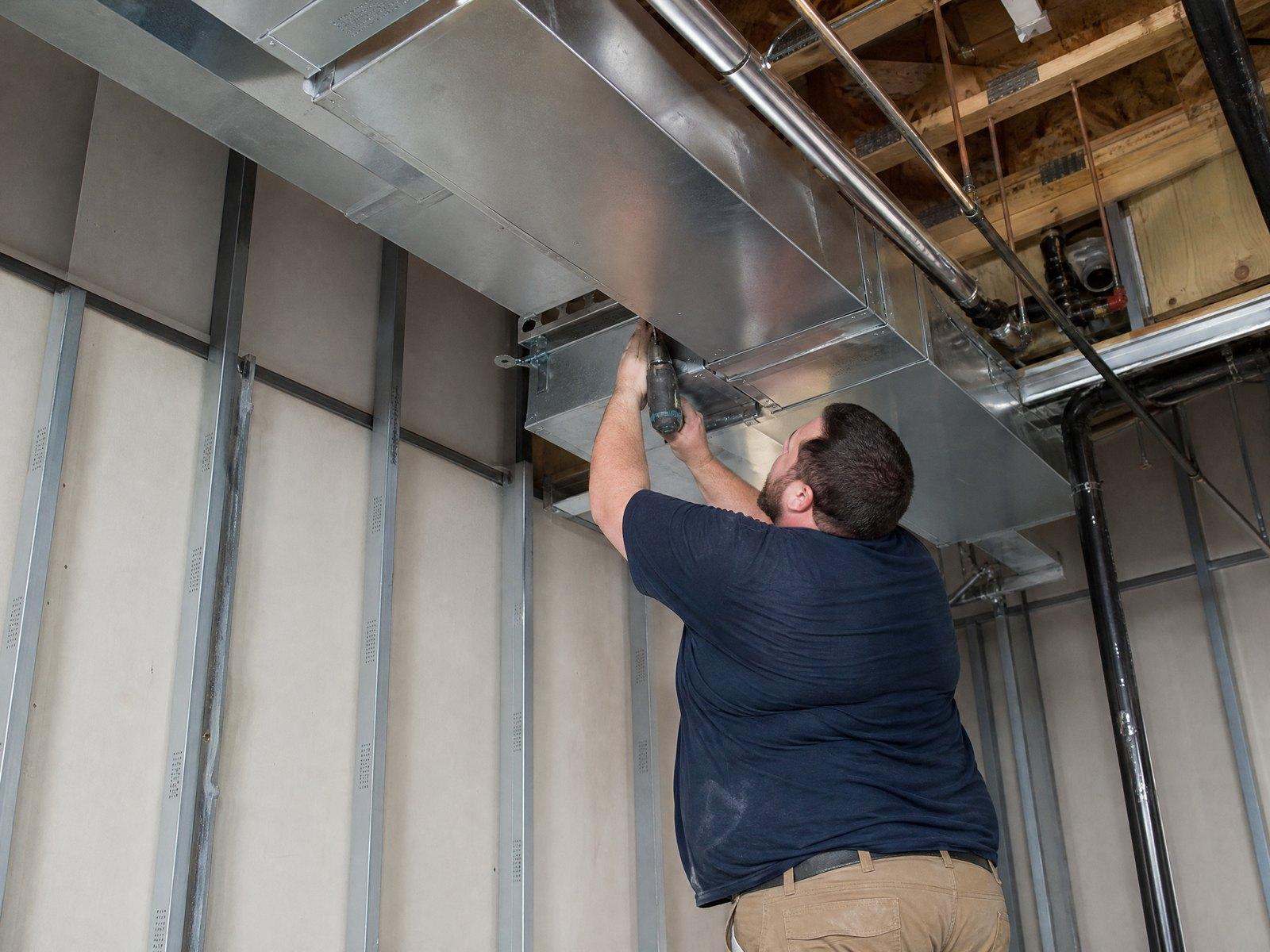
Why an air conditioner needs replacing
Warm air from the vents, or air that is cool but never reaches the set temperature
Ice on the indoor coil or the refrigerant line outside
A compressor that hums, trips the breaker or fails to start
A unit that is fifteen years old or more and has already had a refrigerant top-up
Rooms upstairs that never cool down on hot afternoons
High humidity indoors even while the air conditioner runs
How the work goes, step by step
Check the load
The installer estimates how much cooling the house needs from its size, insulation, windows and orientation.
Review the ducts and coil
Ducts, the furnace blower and the indoor coil are checked to see what can be reused.
Pick the equipment
You compare a standard and a higher-efficiency option, and a heat pump if you want to heat with it too.
Install
The pad is set, the condenser and coil are installed, and the line set is run, flushed or replaced.
Charge and test
The system is evacuated, charged and measured for airflow and temperature drop.
What changes the price
- Capacity and efficiency
- Larger tonnage and higher SEER ratings add to the equipment price, but the right size matters more than the biggest one.
- Indoor coil or air handler
- If the furnace or coil cannot be matched to the new outdoor unit, that part is replaced too.
- Line set length and routing
- A long run through finished walls takes more time and material than a short outside route.
- Electrical work
- A new disconnect, breaker or circuit adds to the job.
- Adding ductwork
- A home with no ducts, or with ducts that are too small, needs additional work before any AC is installed.
- Condenser placement
- A tight lot, a roof or a stand for snow clearance changes the installation.
What a good quote spells out
- The tonnage and the way it was chosen for your house
- Whether the indoor coil is replaced or reused
- What is done with the refrigerant lines
- The refrigerant type and the efficiency rating
- Start-up checks recorded at the end of the job
Central AC Installation: questions people ask
How long does a central air conditioner last?
Around fifteen years is common, with coastal air, poor maintenance and constant use shortening it. An old unit that needs a major repair is a candidate for replacement.
What size air conditioner does a house need?
It depends on square footage, insulation, windows, shade and ceiling height. A load calculation gives a better answer than a rule of thumb.
Can AC be added to a home with a furnace?
Usually yes. A coil goes on the furnace and a condenser outside. The existing ducts need to move enough air for cooling, which is more than for heating in many homes.
Why was a new coil part of the quote?
A new condenser performs best with a matching coil. Old coils may not suit the new refrigerant, and mismatches reduce capacity and efficiency.
Other Vulcair services
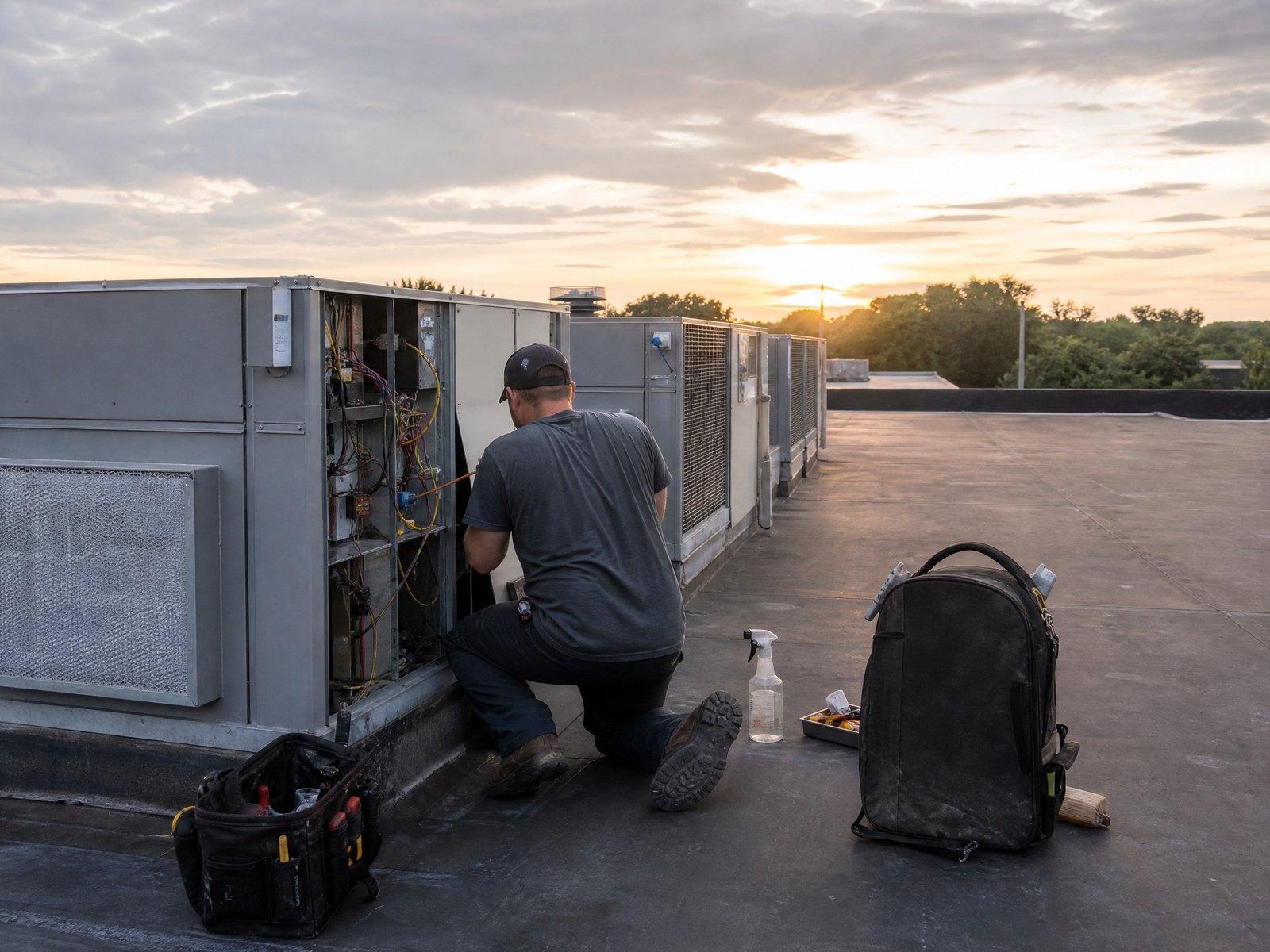
Planning a Replacement? Get a Proper Quote.
Tell us about the building, the current system and what is going wrong. We review every request and follow up in writing with next steps and a free quote.
Request a free quote →