HVAC System Replacement for Homes and Small Buildings
HVAC system replacement means swapping the heating and cooling equipment together, usually a furnace and an air conditioner or a heat pump, so the indoor and outdoor parts are sized to match. When both pieces are near the end of their life, doing them in one project is usually cheaper and simpler than two separate visits.
Describe the job and add your city. Free to request, no obligation.
It is also the one chance to fix what never worked well: rooms that never get warm, a system that switches on and off every few minutes, ducts that are too small for the airflow. Insulation upgrades, new windows and renovations change how much heating and cooling a building needs, and many older systems are larger than they should be.
A good quote starts with the building, not with the nameplate on the old unit. It compares a like-for-like swap with a higher-efficiency option and a heat pump, so you can see what changes in upfront cost and in running cost before you decide.
What the work includes
- Heat loss and heat gain review of the building
- Check of the ductwork, venting, gas line and electrical capacity
- Written equipment options with model and capacity listed
- Removal and disposal of the old furnace, coil and condenser
- Installation of the new indoor and outdoor equipment
- Thermostat and controls setup
- Permit and inspection where the job requires them
- Startup, commissioning and a walkthrough of how to run the system
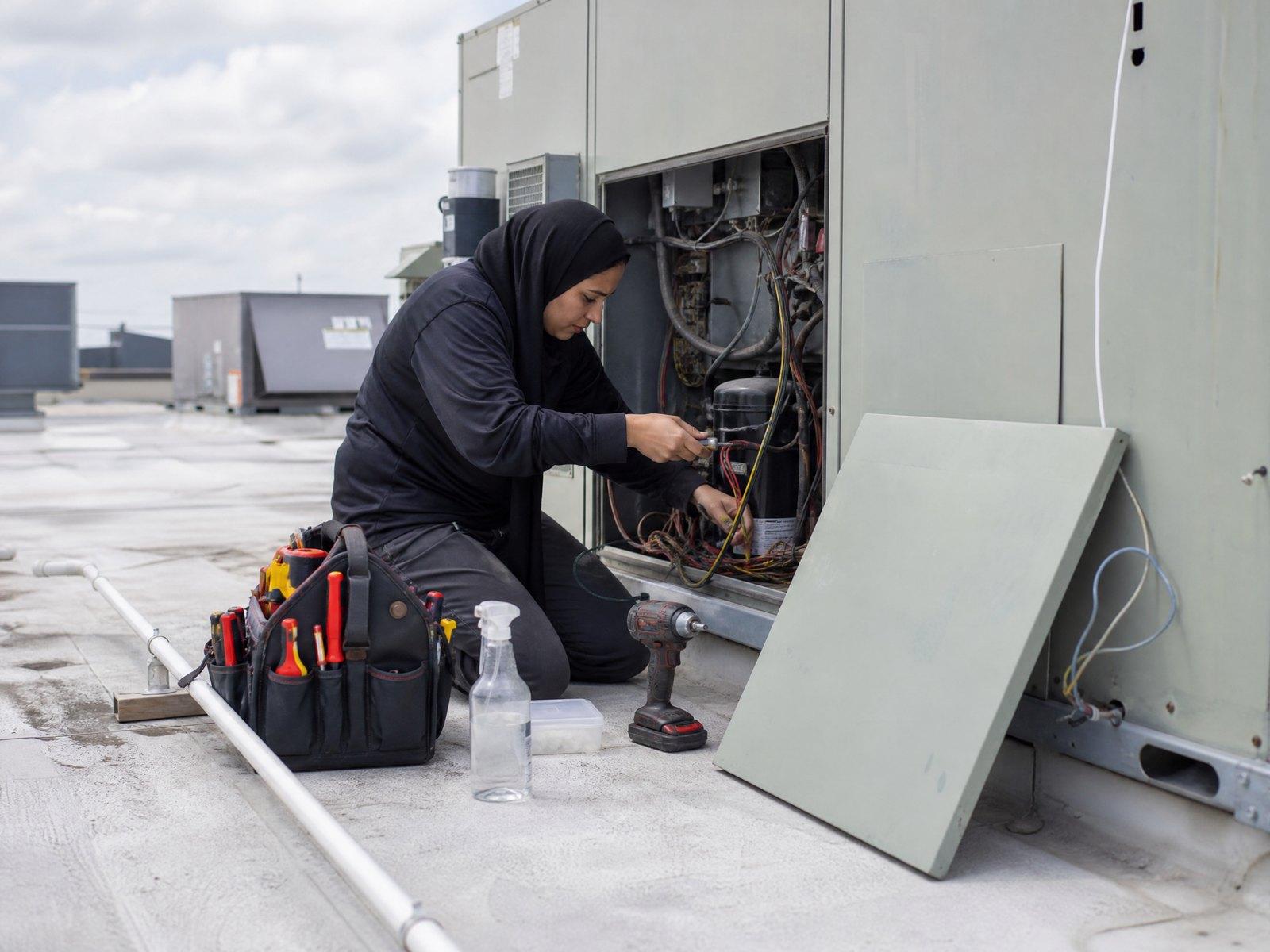
Clues that the whole system is near the end
Both the furnace and the air conditioner are well past fifteen years old
Repair bills have appeared in the same season for two years in a row
Some rooms run hot or cold no matter how the thermostat is set
The equipment cycles on and off in short bursts and the air feels uneven
Heating and cooling bills keep rising while the weather stays the same
The system uses a refrigerant that is being phased out and gets harder to service
How the work goes, step by step
Describe the building
Tell us the type of building, its size, the current system and what is going wrong. Photos of the equipment help.
Assessment
A site visit or photo review checks the equipment, ducts, electrical capacity and venting, and looks at how the building is used.
Sizing and options
The system is sized from the building itself, then options are written up side by side with their costs.
Installation
The old equipment comes out, the new system goes in and permits are handled where required.
Commissioning
Airflow, temperatures and controls are checked, and you get a short walkthrough before the crew leaves.
What changes the price
- Equipment size and efficiency
- Larger capacity and higher efficiency ratings cost more, but a correctly sized unit also runs less and lasts longer than an oversized one.
- Changing system type
- Moving from a gas furnace and AC to a heat pump system adds equipment and electrical work that a straight swap does not.
- Ductwork changes
- Undersized or leaky ducts may need to be modified, and that work can be a large part of the quote.
- Electrical and gas
- A panel upgrade, a new circuit or a larger gas line adds to the job.
- Access to the equipment
- Attic, crawlspace and tight mechanical room installs take more labour than a basement or garage.
- Permits and local labour
- Permit fees and hourly rates vary by city and province or state.
What a good quote spells out
- How the system was sized, and whether a load calculation was done
- Equipment model numbers and capacities for each option
- Which duct, venting, gas and electrical changes are included
- What is done with the old equipment and refrigerant
- Start-up checks and what the commissioning covers
HVAC System Replacement: questions people ask
Should the furnace and the AC be replaced at the same time?
If both are old, usually yes. Matched equipment performs better, one visit saves on labour and permits, and the duct and electrical work happens once. If the AC is only a few years old, replacing the furnace alone may be enough.
How long does an HVAC replacement take?
A straightforward residential furnace and AC swap is often a one-day job. Adding ductwork, changing system type or upgrading electrical can add days.
Is a bigger system better?
No. An oversized unit cycles on and off too often, which wears parts and leaves the air uncomfortable and humid. A load calculation points to the right size.
Are there rebates for a new system?
Many provinces, states and utilities offer incentives, mostly for heat pumps and high-efficiency equipment. They change often, so check eligibility with the program before you sign.
Other Vulcair services
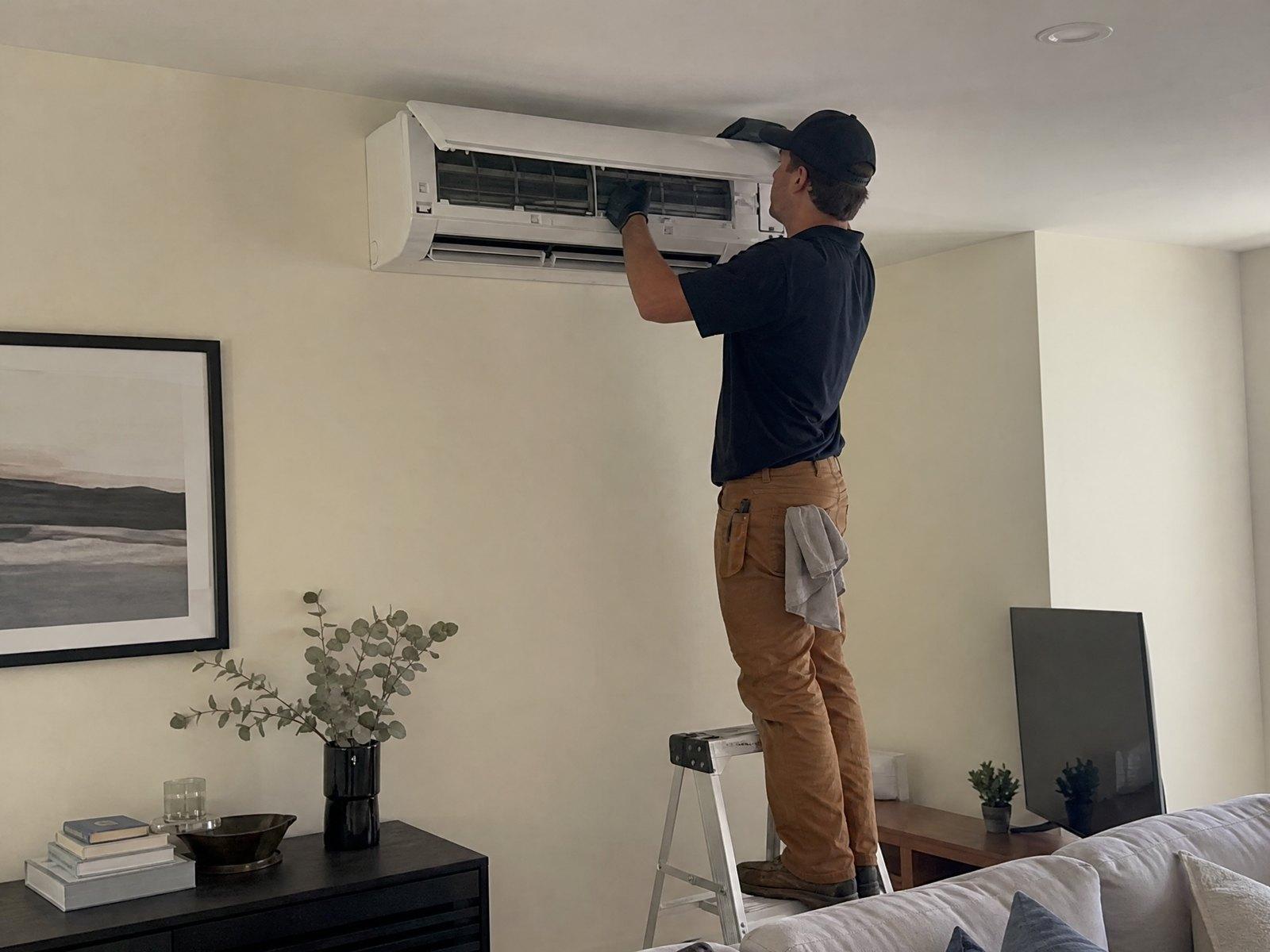
Planning a Replacement? Get a Proper Quote.
Tell us about the building, the current system and what is going wrong. We review every request and follow up in writing with next steps and a free quote.
Request a free quote →