Furnace Installation and Replacement: What Is Involved
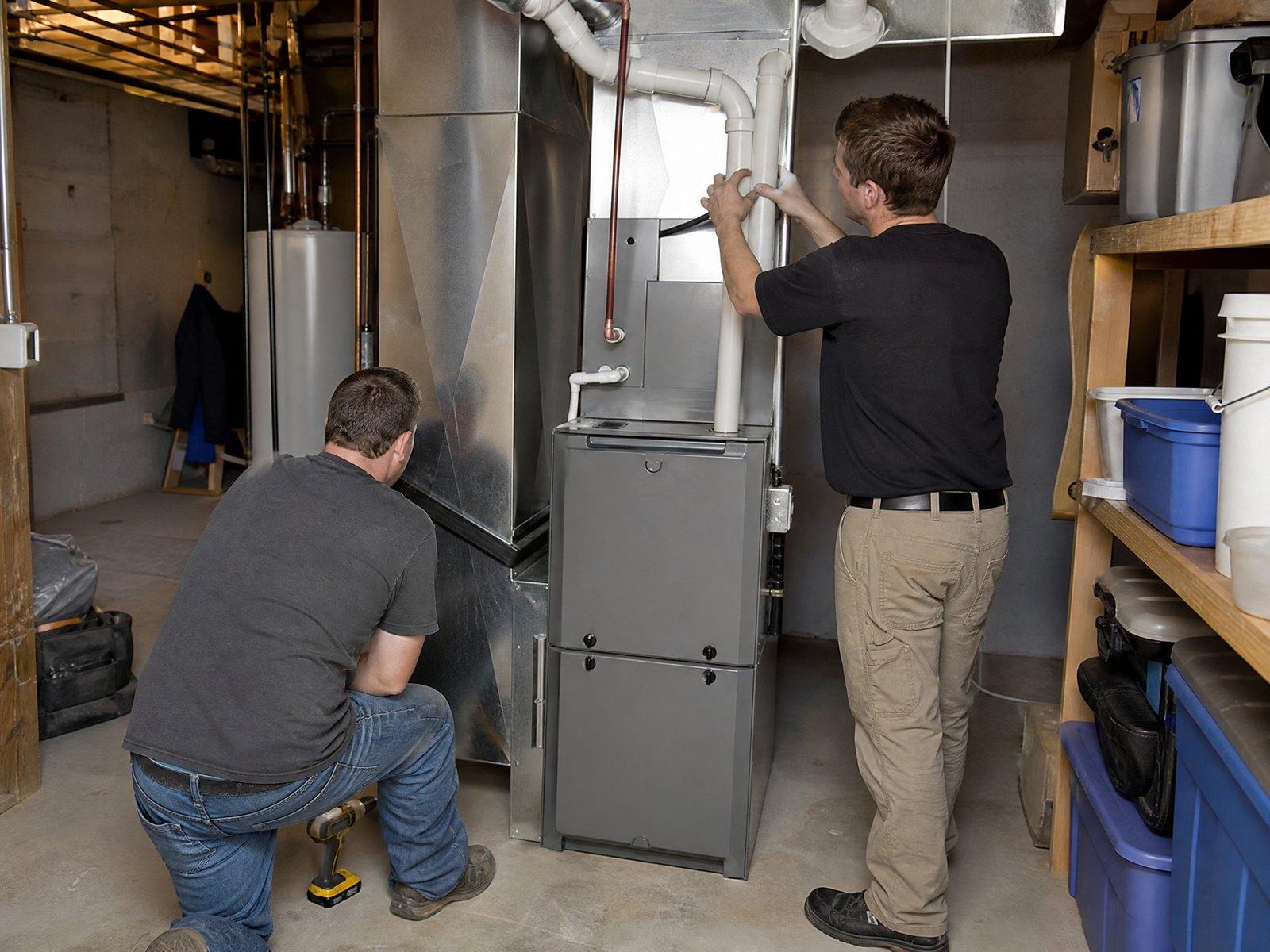
A furnace installation replaces the gas or electric unit that heats your air, and ties it back into the ducts, the gas line, the venting and the thermostat. Moving to a high-efficiency condensing furnace often brings new plastic venting, a condensate drain and sometimes work on the gas line or the old chimney.
Describe the job and add your city. Free to request, no obligation.
Single-stage furnaces are either fully on or off. Two-stage and modulating models adjust their output, which makes for quieter, more even heat, but the ducts have to carry the airflow they need. The gain on paper depends on the ductwork behind the furnace, so the ducts are part of the decision.
The usual reasons to replace are age, a cracked heat exchanger, repeated breakdowns or a furnace that can no longer keep the house warm. A failed igniter or capacitor is a different story, and a repair is cheaper than a new furnace.
What the work includes
- Sizing based on the home's heat loss, not on the old furnace
- Removal and disposal of the old furnace
- New supply and return plenum connections
- Intake and exhaust venting for the new furnace
- Condensate drain and neutralizer for high-efficiency models
- Gas line connection, shut-off and leak check
- Thermostat and controls setup
- Combustion and airflow checks at startup
When a furnace stops being worth repairing
A cracked heat exchanger, flagged by a technician or a carbon monoxide alarm
A furnace that is twenty years old or more and needs a costly part
Repeated breakdowns in the same winter
Uneven heat, short cycling or a loud blower
Yellow or flickering burner flames and soot near the unit
Heating bills that have crept up while the thermostat setting stayed the same
How the work goes, step by step
Check the basics
The installer notes the fuel, venting, gas line size, ducts and where the furnace sits.
Choose the model
You see a like-for-like option and higher-efficiency alternatives, with the venting each one needs.
Prepare the site
Shut-offs are closed, the old furnace is disconnected and the area is cleared for the new unit.
Set and connect
The new furnace is set, the ducts, venting, drain, gas and electrical are connected and sealed.
Fire it up
Combustion, temperature rise and airflow are measured and the thermostat is programmed.
What changes the price
- Single-stage, two-stage or modulating
- Each step up adds comfort and cost, so decide whether the house gets the benefit.
- Venting route
- A new vent through a wall or roof, or a liner in an old chimney, is a major share of many replacements.
- Gas line changes
- A longer run, a larger pipe or a relocated shut-off adds labour and parts.
- Return air and duct changes
- A furnace that moves more air may need bigger returns or a new plenum.
- Location
- Attic, crawlspace and closet installs are slower than a basement.
- Add-ons
- A humidifier, air cleaner or smart thermostat is priced on top of the furnace.
What a good quote spells out
- The furnace model, stages and efficiency rating
- The proposed vent route and what it takes to build it
- Any gas line, electrical or duct work written as its own line
- Whether a carbon monoxide alarm is part of the install
- What happens to the old furnace and where it goes
Furnace Installation & Replacement: questions people ask
How long does a furnace last?
A gas furnace commonly runs fifteen to twenty years or more with regular maintenance. Age matters less than condition, and a cracked heat exchanger ends the discussion regardless of age.
Is a high-efficiency furnace necessary?
In a cold climate, a condensing furnace uses less fuel than an older unit, but it needs plastic venting and a drain. The savings depend on how much you run it and local fuel prices.
Can a homeowner swap a furnace alone?
Gas, venting and combustion air are safety items, and many places require a permit and a qualified installer. A mistake can cause leaks or carbon monoxide.
What is a modulating furnace?
It changes its burner and blower output in small steps instead of running at one or two settings. That gives steadier temperatures and quieter operation, as long as the ducts can carry the airflow.
Other Vulcair services
Planning a Replacement? Get a Proper Quote.
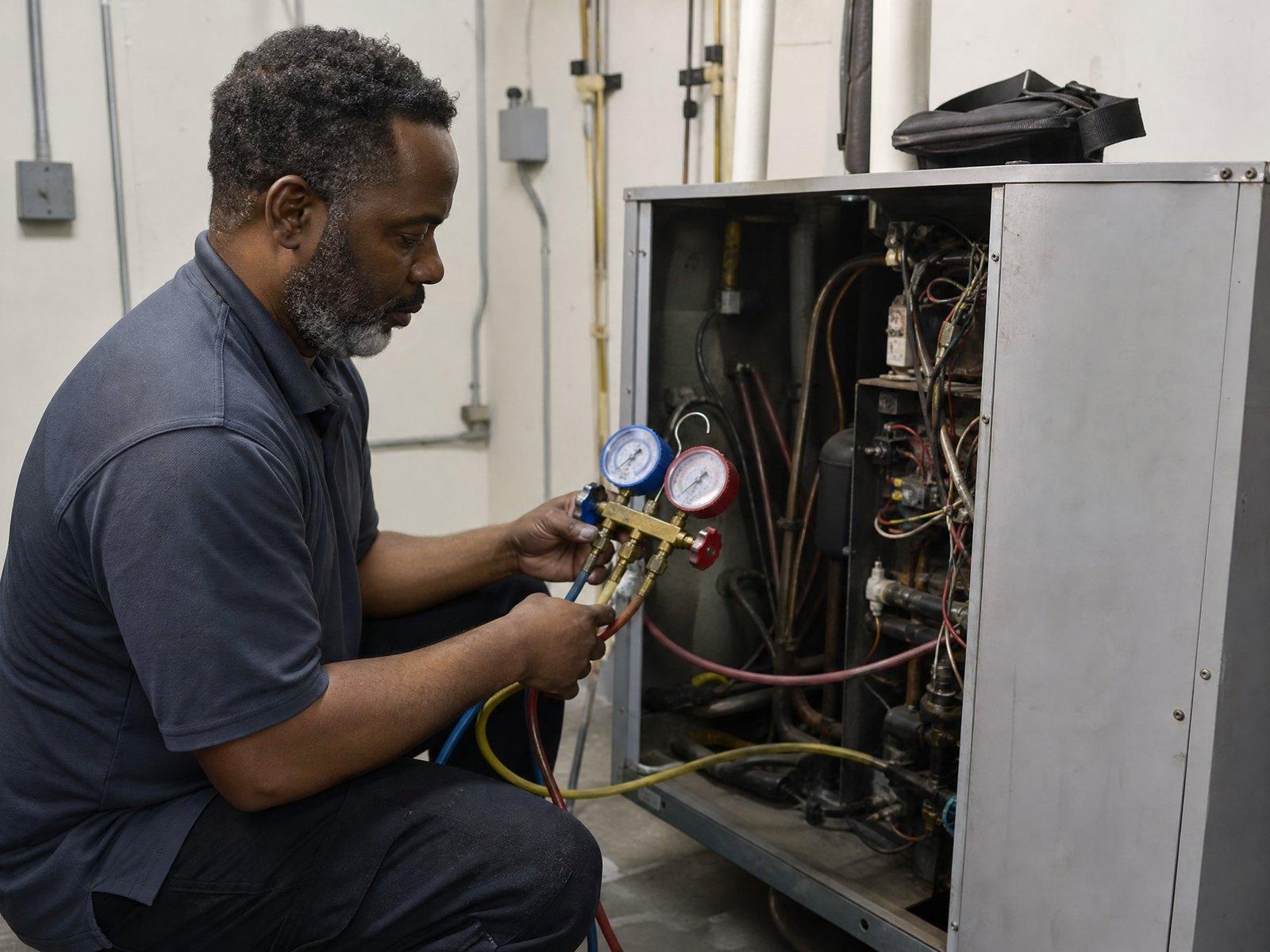
Tell us about the building, the current system and what is going wrong. We review every request and follow up in writing with next steps and a free quote.
Request a free quote →